
Thermal Base Layer Sourcing: GSM, Seams, Wicking
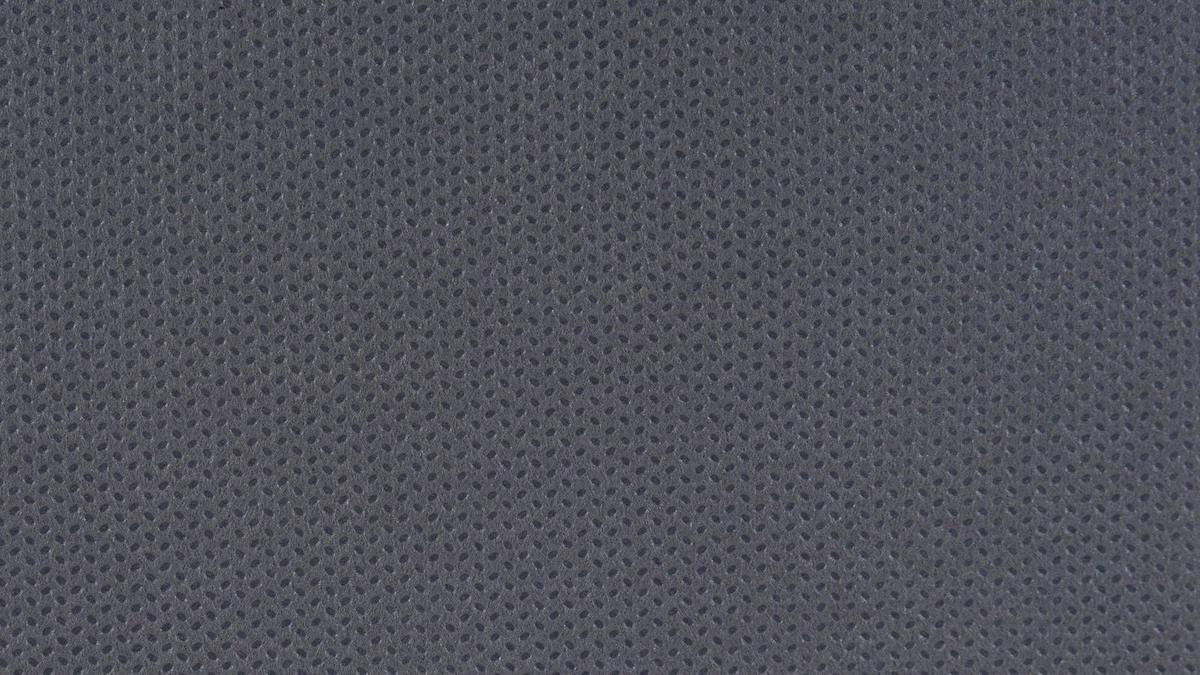
Short answer: A thermal base layer is a fabric spec problem before it is a design problem. 160–220 GSM interlock in 100% merino at 17.5–19.5 micron, or a 90/10 polyester-elastane 4-way stretch at 170–190 GSM, covers most of the European and North American market. Above 240 GSM you are selling a midlayer and should price it as one, and without flatlock seams the garment gets returned for cold seams long before anyone complains about warmth.
We quote base layer programmes every month and the briefs are almost interchangeable: "merino, 200 GSM, thumb loops, 1,000 pieces". The specs are not, and the difference between a base layer that sells out and one that comes back sits in five numbers and one seam.
The Three Fabric Families
Numbers to Put in the Spec
Seams Decide Whether It Gets Worn
Nobody praises a flatlock seam. Everybody notices an overlocked one at the underarm on a cold morning.
Where Cheap Base Layers Fail
MOQ and Development Reality
Conclusion
Buy the base layer as a fabric specification and the design will follow: choose merino, polyester or a blend by price band, then fix GSM, wicking, drying, pilling and elastic growth. Spend the argument on the seams, because that is where a 12 USD garment turns into a 6 USD one in the customer's mind. A base layer is judged in the first thirty seconds and again after the third wash — both verdicts are decided in the spec, not in the print.
Key Takeaways for Buyers
Build the base layer around the fabric, not the trend
We knit interlock and 1x1 rib in merino, poly/elastane and blends on the same floor, so a change of fibre or weight does not mean a new supplier and a new lead time. Send us the season, the price band and the wearer, and we will propose two fabric options with measured wicking, drying and recovery numbers before you commit to a sample.
Related Products



Related Articles
- Sports Bra Manufacturing: A Sourcing Guide for Brandssportswear · sourcing
- Squat-Proof Leggings: Fabric Spec and Sourcing Guideactivewear · leggings
- Compression Fabric Sourcing: mmHg, Specs and Claimsactivewear · knit-fabric

- Fabric GSM: Why the Number on the Spec Sheet Liesguide · fabric-weight

- Sourcing Knit Hats, Scarves and Gloves in One Programaccessories · sourcing
- Sustainable Fabric Searches Rise. Orders Don't Followsustainability · google-trends

Comments (0)
Be the first to leave a comment!