
Squat-Proof Leggings: Fabric Spec and Sourcing Guide
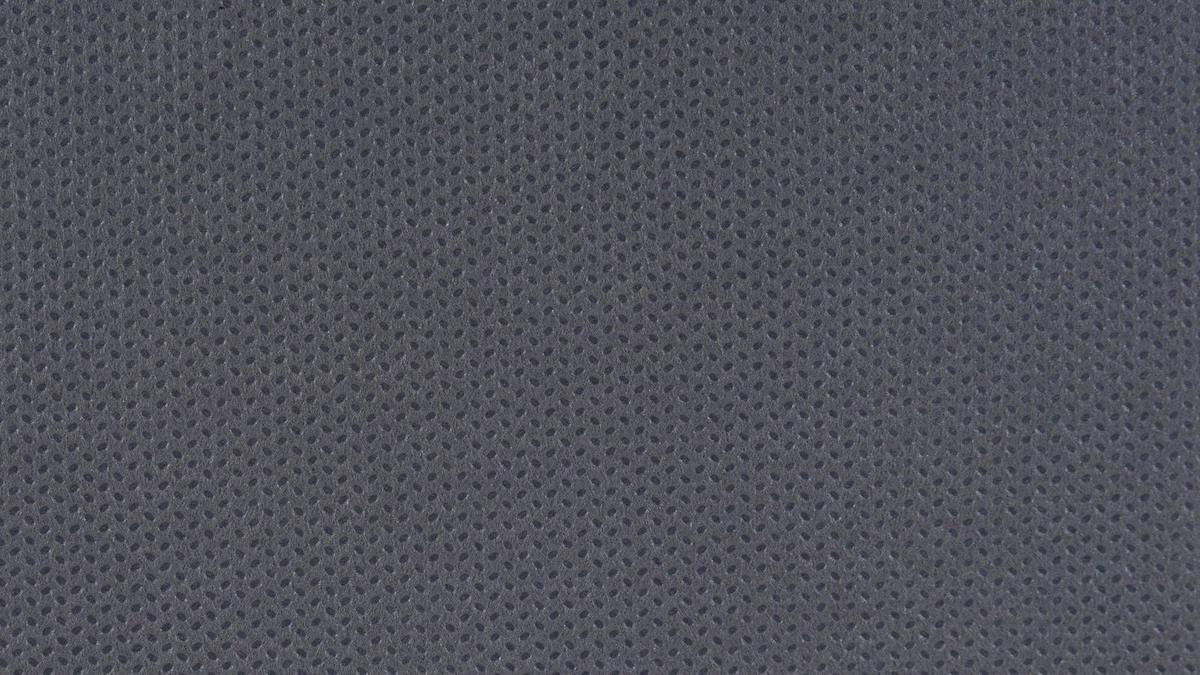
Short answer: Squat-proof leggings are a fabric specification problem, not a sewing problem. You need 240–280 GSM, a 40-denier or heavier nylon or polyester base, at least 18% elastane, four-way stretch of 60% or more, and recovery within 5% after five stretch cycles. Below 220 GSM with a 30-denier yarn, no amount of double layering will stop a light test — and the returns arrive whether or not the sample passed.
We are asked for "buttery soft, squat-proof, under 7 USD" twice a month. Two of those three fit in the same garment. Softness comes from fine denier and high elastane; opacity comes from mass and stitch density; the price comes from all of it. Leggings carry the highest return rate of any knit category we produce, and almost every return traces to four numbers on the fabric spec sheet.
The Spec That Decides Opacity
Opacity is about how much light passes through the gaps between stitches. Three things control it.
There is no ISO or AATCC test for "squat-proof". Anyone claiming one is selling certainty they do not have. What exists is a light-box or flash photograph with your own pass/fail, and it is worth writing down.
Stretch and Recovery: The Two Numbers That Predict Returns
Opacity keeps the first sale. Recovery keeps the second.
Polyester-elastane is cheaper per kilogram and fine for fashion leggings, but it has less opacity at equal weight and less resilience at equal elastane: about 0.60 USD per pair saved, and a loss on any programme with a 15% return rate.
Construction: Where Cheap Leggings Fail First
Fabric is 55–65% of cost and 80% of complaints. The rest is construction.
Cost and MOQ Reality
Our 2026 quotations, 500–2,000 pieces, 78/22 nylon-elastane:
Custom print adds 0.40–0.70 USD per pair and two weeks, because print placement on a four-way stretch panel needs its own grading.
A Test Protocol You Can Run in One Afternoon
Before approving bulk on a fabric you have only seen flat on a table:
That photograph is the specification. It is the only document that has ever settled an argument about whether a legging is see-through.
Conclusion
Squat-proof leggings come down to mass, denier, elastane percentage and seam type, in that order: 240–280 GSM, 40D or heavier, 18%+ elastane, flatlock or bonded seams, and a gusset. Test with a daylight photograph instead of a swatch. On a 40 USD retail legging all of it fits inside 8.50–10.50 USD FOB, and the gap to a 6.80 USD pair is a returns budget you have not spent yet.
The brands that win in this category do not have better factories. They have a stricter spec sheet.
Key Takeaways for Buyers
Build the first pair with us
We circular-knit nylon-elastane and polyester-elastane jersey in the 200–320 GSM range, dye in-house and cut and sew leggings with flatlock and bonded construction in the same facility. Send us your best-seller and the return reasons you are trying to fix, and we will propose a spec with the weight, denier and recovery numbers written out.
Related Products



Related Articles
- Sports Bra Manufacturing: A Sourcing Guide for Brandssportswear · sourcing
- Thermal Base Layer Sourcing: GSM, Seams, Wickingbase-layers · activewear
- Compression Fabric Sourcing: mmHg, Specs and Claimsactivewear · knit-fabric

- Fabric GSM: Why the Number on the Spec Sheet Liesguide · fabric-weight

- Sourcing Knit Hats, Scarves and Gloves in One Programaccessories · sourcing

- Sustainable Fabric Searches Rise. Orders Don't Followsustainability · google-trends

Comments (0)
Be the first to leave a comment!