
Swimwear Fabric Sourcing: What to Look For
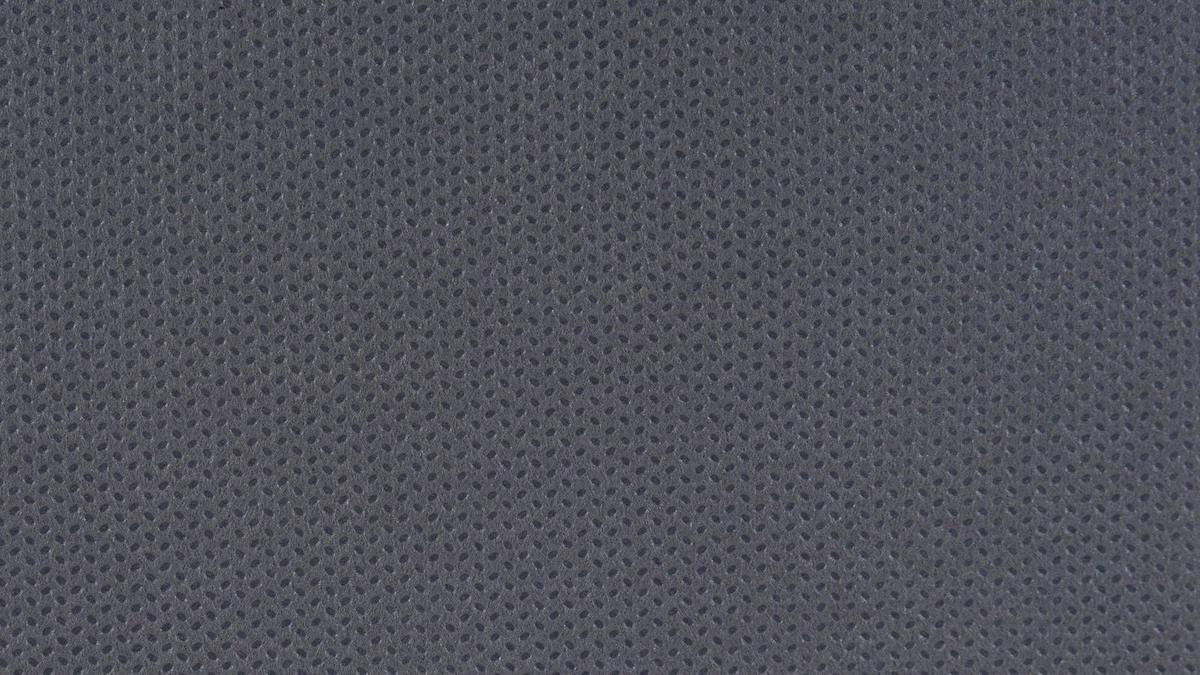
Short answer: swimwear uses a stretch knit fabric, typically nylon/spandex or polyester/spandex with roughly 15–25% elastane, chosen for high stretch, quick drying and resistance to chlorine and UV. Key properties to specify are stretch and recovery, chlorine resistance, colour fastness to chlorinated water and light, opacity, and UPF protection. It is one of the most performance-demanding knit categories.
Swimwear fabric is unforgiving: it must stretch, recover, resist pool chemicals and sun, dry fast and stay opaque when wet. Getting the specification wrong shows up immediately on the body and in the wash.
The Core Fabric Types
Nylon / Spandex (Nylon-Lycra)
The premium standard. Nylon feels softer and holds colour better than polyester.
Polyester / Spandex
More chlorine-resistant and cheaper, but slightly less stretchy and less vivid in colour.
Recycled Blends
Recycled nylon or recycled polyester blends (often GRS certified) are increasingly common, especially for sustainability-positioned brands. Performance is close to virgin if the blend is good.
The Elastane Percentage
Elastane content determines stretch and recovery:
Higher elastane means better fit and recovery but can cost more and requires careful colour matching (elastane takes dye differently).
Performance Properties to Specify and Test
Swimwear is judged by how it survives sun, salt, chlorine and repeated washing:
Lining and Construction
What Buyers Must Verify
Quality Checkpoints Before Bulk
Common Swimwear Mistakes
Conclusion
Swimwear is a performance knit category: choose nylon/spandex for a premium feel or polyester/spandex for chlorine-heavy value, keep elastane at 15–25%, and specify and test chlorine, light and wash fastness, stretch recovery, wet opacity and UPF. Specify lining and corrosion-resistant hardware, and verify with real test reports before bulk. Get the fabric right and the suit performs.
Key Takeaways for Buyers
Before you place the order
Wash the pre-production sample twice and measure it against your spec. Most of what goes wrong in bulk, shrinkage, pilling, shade drift, is visible at that stage and invisible at approval. It takes a week, and it is the cheapest insurance in the whole process.
Related Products

Related Articles
- Fabric GSM: Why the Number on the Spec Sheet Liesguide · fabric-weight

- Vetting a Knitwear Factory: What to Ask Before the Quotemanufacturer · sourcing

- Low MOQ Knitwear: What Small Orders Really Cost YouMOQ · sourcing
- Knitwear Tech Packs: The Sections Factories Actually Readtech-pack · guide
- Custom Beanies: The Easiest Margin in Knit Accessoriesbeanies · hats
- Sampling: Why Your PP Sample Is the One That Matterssampling · production

Comments (0)
Be the first to leave a comment!