
Custom Beanies: The Easiest Margin in Knit Accessories
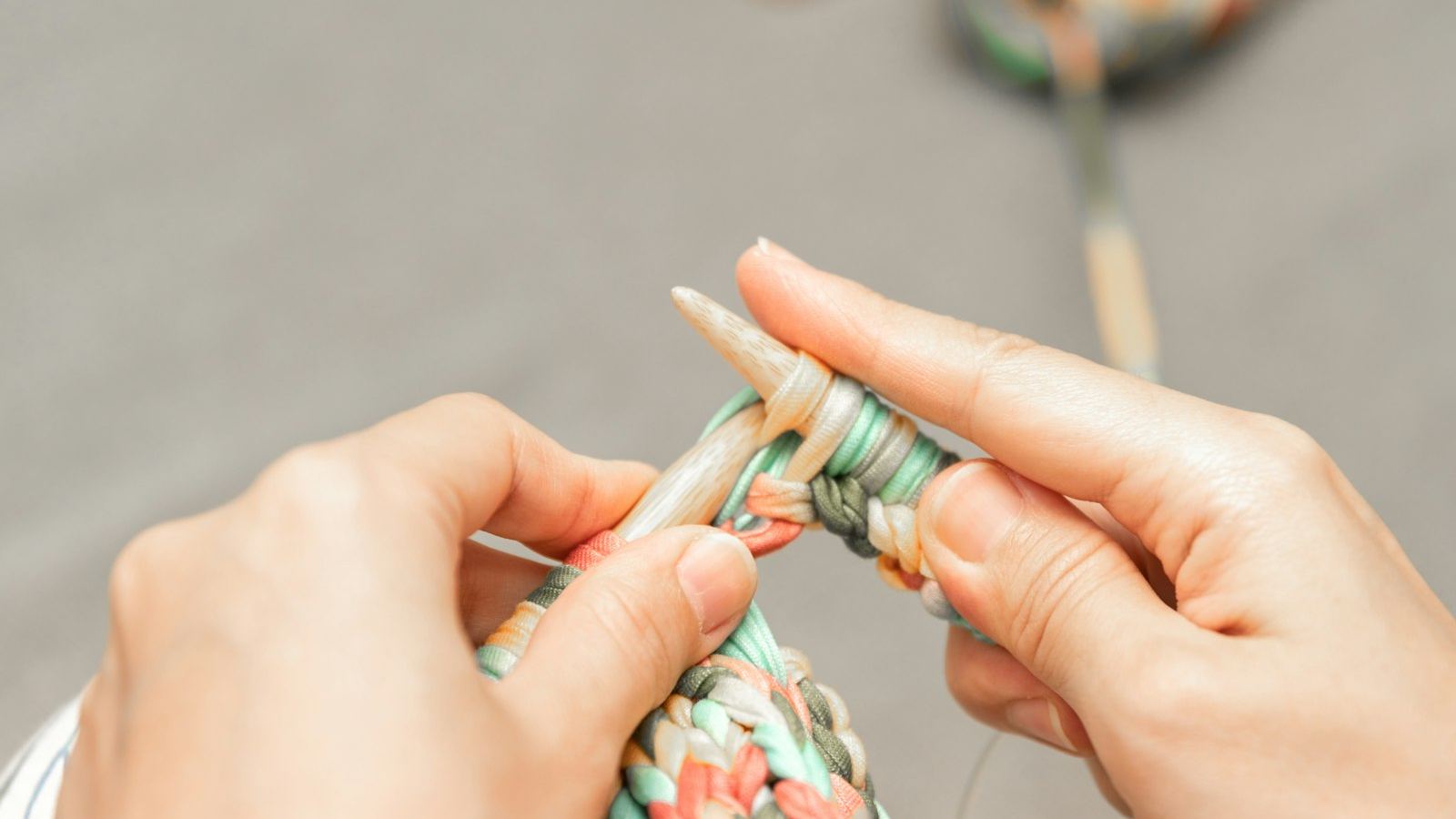
Knit hats are one of the smartest categories for a growing apparel brand. They carry high perceived value, use relatively little material, and sell year after year with only small design refreshes. For retailers and DTC brands, a well-executed beanie line adds margin without demanding the inventory commitment of a full garment program.
This guide covers what buyers need to know before sourcing custom beanies and knit hats.
Why Beanies Are a Strong Category
Accessories behave differently from core apparel. A beanie is an impulse-friendly, gift-friendly product with a low unit cost and a high perceived value. That combination produces healthy margins. Beanies also let a brand express identity through color, texture, pom-poms, patches and jacquard logos — often with far lower MOQs than a jacket or sweatshirt.
The practical benefit for new brands is risk control. You can test a market with a few hundred units per style across several colorways, learn what sells, and reorder the winners.
The Main Types of Knit Hats
Cuffed Beanie (Watch Cap)
The classic fold-over beanie. Warm, forgiving in fit, and the easiest to decorate. It is the default for most programs.
Uncuffed / Skull Beanie
A shorter, closer-fitting shape with no fold. Popular in streetwear and minimal fashion lines.
Ribbed vs. Plain Knit
Ribbed beanies (1x1 or 2x2) have the most stretch and recovery and hold shape well. Plain jersey or half-cardigan knits give a smoother surface that suits fine jacquard logos.
Cable Knit
A chunkier, textured look with strong seasonal appeal and higher perceived value.
Pom-Pom and Fisherman Styles
A removable or fixed pom-pom adds playfulness; the fisherman style (rolled brim, often with a pom) reads as heritage and premium.
Yarn and Fiber Options
For most Western markets, a wool-blend or acrylic beanie in 200\–260 gsm equivalent, knitted on 3GG\–12GG machines depending on the desired hand-feel, covers the majority of demand.
Gauge and Weight Explained
Gauge refers to the number of needles per inch on the knitting machine. Lower gauge (3GG\–5GG) produces a chunky, heavy knit; higher gauge (7GG\–12GG) produces a finer, lighter fabric. If you want a thick winter beanie, specify a low gauge and a heavier yarn. For a lightweight fashion beanie, go finer. Getting gauge right early avoids samples that look nothing like your reference.
Branding and Decoration Options
MOQ, Cost and Lead Times
Accessory MOQs are usually lower than garment MOQs because less material is involved. Expect roughly:
The single largest cost lever is yarn. Moving from cashmere to a wool blend or acrylic can change unit cost by a large multiple.
Quality Checkpoints for Knit Hats
Before bulk ships, confirm:
A note on sizing
Most adult beanies are one-size with stretch. Childrenswear needs distinct sizing. Always specify whether measurements are taken relaxed or stretched, because a knit hat can vary several centimeters between the two states.
Practical Sourcing Tips
Conclusion
Knit hats are an accessible, high-margin category with genuine brand-building potential. Choose a clear silhouette, get the yarn and gauge right, pick a branding method that suits your price point, and verify quality with real test data. Sourced well, a beanie line becomes one of the most reliable contributors to an accessory range.
Key Takeaways for Buyers
Before you place the order
Wash the pre-production sample twice and measure it against your spec. Most of what goes wrong in bulk, shrinkage, pilling, shade drift, is visible at that stage and invisible at approval. It takes a week, and it is the cheapest insurance in the whole process.
Related Products



Related Articles
- Sourcing Knit Gloves and Socks Together Saves Moneygloves · socks
- Fabric GSM: Why the Number on the Spec Sheet Liesguide · fabric-weight

- Sourcing Knit Hats, Scarves and Gloves in One Programaccessories · sourcing
- Vetting a Knitwear Factory: What to Ask Before the Quotemanufacturer · sourcing

- Low MOQ Knitwear: What Small Orders Really Cost YouMOQ · sourcing
- Knitwear Tech Packs: The Sections Factories Actually Readtech-pack · guide
Comments (0)
Be the first to leave a comment!