
Wool Products Labeling Act: What Importers Must Label
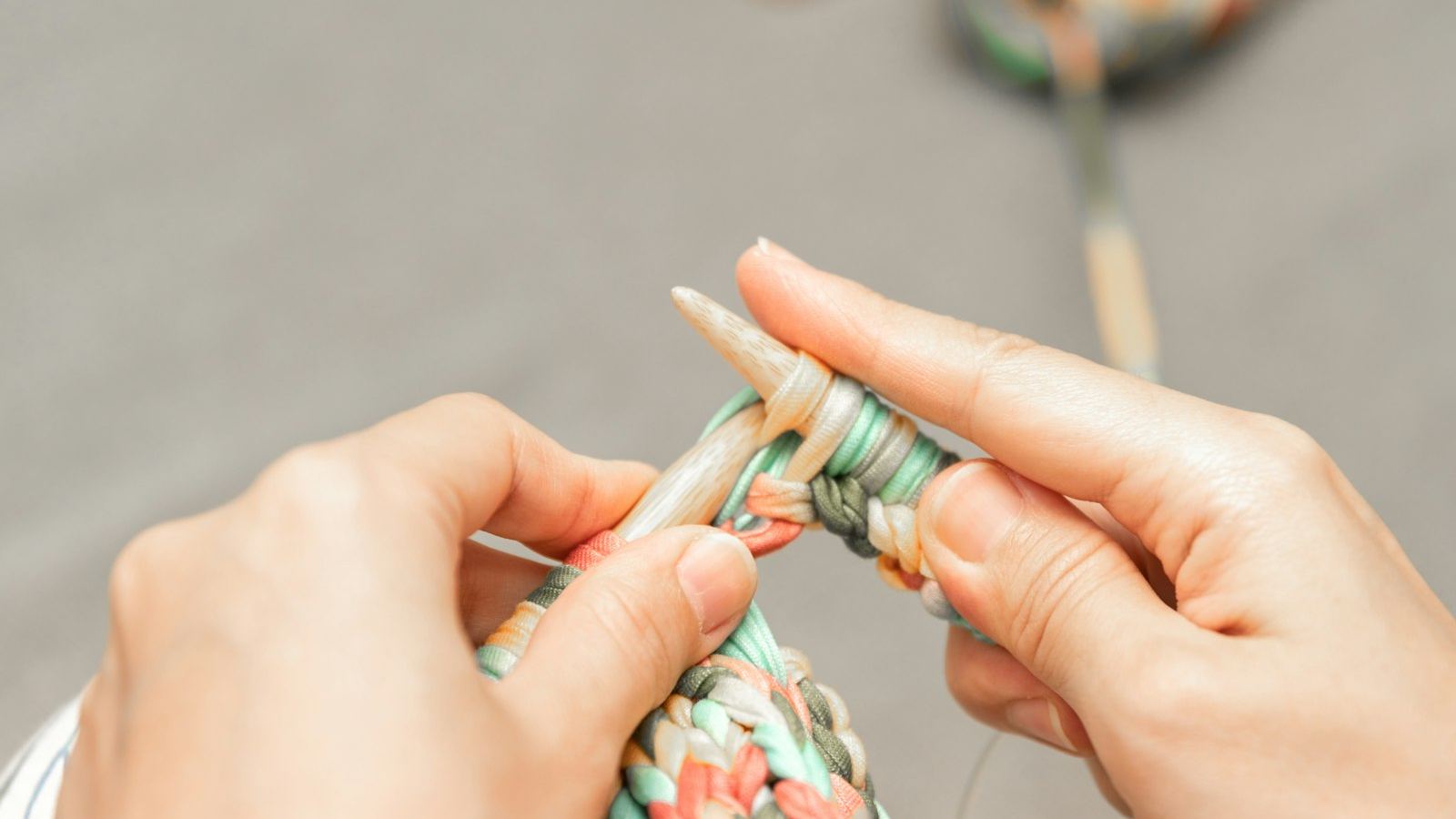
Short answer: Every wool product sold in the United States needs a label stating wool percentage by fibre, country of origin, and the manufacturer's or importer's name or RN number — that is 16 CFR Part 300, the Wool Products Labeling Act. Recycled wool cannot be presented as virgin wool, "100% wool" allows no other fibre, and an inflated cashmere claim is the fastest way to meet the FTC. The label is a specification you set before the first bulk knit, not artwork you approve at the end.
Most buyers we work with sweat over care labels and let the fibre-content label be handled by the factory. That is backwards. The care label is consumer information; the wool label is an origin-and-content declaration that both US Customs and the FTC can test, and the penalties attach to the importer of record.
What the WPLA Actually Covers
The scope is wider than assumed.
One practical consequence: a 3% cashmere "touch" added for hand-feel marketing turns an ordinary acrylic sweater into a wool product that must be labelled and substantiated. That 3% costs more in compliance than it earns at retail.
The Three Fields You Cannot Omit
Then the disclosures that catch people out. Recycled or reprocessed wool must be stated as such, and a garment containing it cannot be called "virgin wool" or "new wool". "100% wool" leaves no room for a poly core, an elastane cuff or a nylon shoulder tape — precisely the components that get forgotten because nobody can see them.
Where Importers Get Caught
WPLA vs EU 1007/2011: Two Labels, Not One
If you sell into both markets, plan two labels from day one.
What both regimes share is the part that matters: what the fibre is, how much of it, and where the garment was made.
Put It in the PO and the QC Sheet
Compliance is cheap as a line item and expensive as a correction.
Conclusion
The Wool Products Labeling Act is a short set of rules with a long tail: percentages, origin, identity, and honest disclosure of recycled wool. The technical work is trivial. The risk sits in the gap between what marketing wants to say and what fibre analysis shows, and that gap closes only when the label is written from the bill of materials rather than from the product story.
Set the composition before you knit, test the blends that carry a premium, and print one label per market. A few hundred dollars and a week of lead time is the cheapest insurance in the programme.
Key Takeaways for Buyers
Have your label read before the first bulk knit
We knit wool, merino, cashmere blends and synthetics in-house, so we know exactly which components end up in the finished garment — including the elastane in the rib and the tape in the shoulder. Send us your label artwork and the style's bill of materials, and we will mark up the gaps against the composition we are actually running, before a single label is printed.
Related Products



Related Articles
- Responsible Wool Standard (RWS): What Brands Need to Knowwool · certification

- Fibre Composition Labelling: Rules That Shipments Fail Oncompliance · labelling

- Knitwear Care Label Rules: US FTC vs EU Requirementscompliance · labelling

- Country of Origin Marking for Knitwear: US & EU Rulescompliance · labelling

- Mulesing-Free Wool: What Buyers Must Verifywool · compliance
- Can You Label It Made in USA? Rules for Knitwear Brandscompliance · labelling
Comments (0)
Be the first to leave a comment!