
Sequin and Beaded Knitwear: Sourcing Without Regret
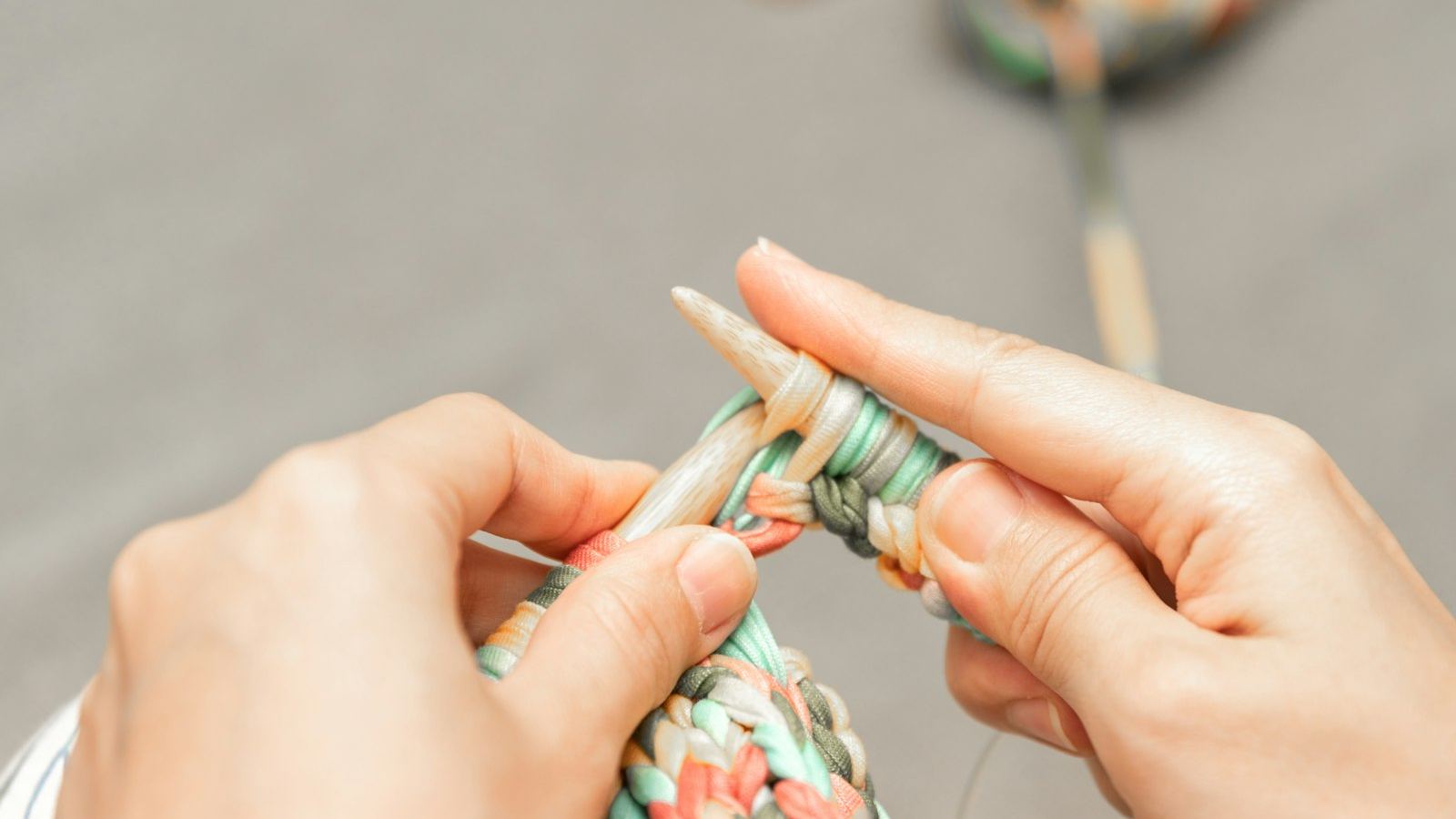
Short answer: Three things ruin embellished knit orders — needle holes that never close, sequins that leave in the first wash, and small-parts compliance nobody checked. Sewn sequins on a 12-gauge cotton knit are repeatable and safe. Glued or heat-pressed decoration on an open 3-gauge lambswool is a repair bill, because there is no stable surface to bond to and every stitch line perforates the fabric permanently.
Embellishment gets quoted as if it were a trim decision. It is a construction decision, and the construction has to be chosen before the sample is sewn, not after the first wash test comes back.
Four Ways Sequins Get Onto a Sweater
The Needle Hole Problem Nobody Prices In
Every sequin is at least two needle penetrations. On 12-gauge cotton jersey with 5% elastane, the holes close during finishing and after the first wash. On 3-gauge lambswool they never close at any stage — the structure is too open for fibres to migrate back across the hole.
The rules we apply in sampling:
The test takes ten minutes: sew a 30 × 30 cm panel, wash it three times at 40°C, compare against the retained unwashed sample. If the holes are visible at arm's length, the design will generate returns — no lab report needed.
Wash Durability: Write the Number Down
“Sequins may shed” on a care label does not protect you from a return. It documents that you knew.
Compliance: Small Parts, Sharp Edges, Nickel
Cost, MOQ and the Design Traps
Conclusion
Choose the application method by gauge and fibre, then measure the two things that generate returns: hole closure and wash loss. Put both numbers in the PO and test them on a real panel. Done that way, sequins are a $3 upsell on a $28 sweater. Skipped, they are a 15% return rate, a chargeback, and a buyer who never places a second order.
Key Takeaways for Buyers
Price the Panel, Not the Sequin
Tell us the gauge, the fibre and roughly how many pieces per garment, and we will come back with the three viable application routes and what each one does to your FOB. If a design only works by hand-sewing on a 3-gauge, we would rather say so before you approve the sample than after the first wash test.
Related Products


Related Articles
- Knitwear Zippers: Specs Buyers Should Actually Settrims · quality-control
- How to Choose Ribbed Collar & Flat-Knit Trims for Appareltrims · collar

- AQL Inspection: What 2.5 Actually Lets ThroughAQL · quality-control

- Trims Are Cheap. Trim Failures Are Nottrims · hardware
- Defective Goods: How to Claim and Keep the Supplierquality-control · claims
- How to Write an Apparel Purchase Order: A Practical Guidepurchase-order · procurement
Comments (0)
Be the first to leave a comment!