
Knitwear Trims Testing: Nickel, Pull Strength, Azo
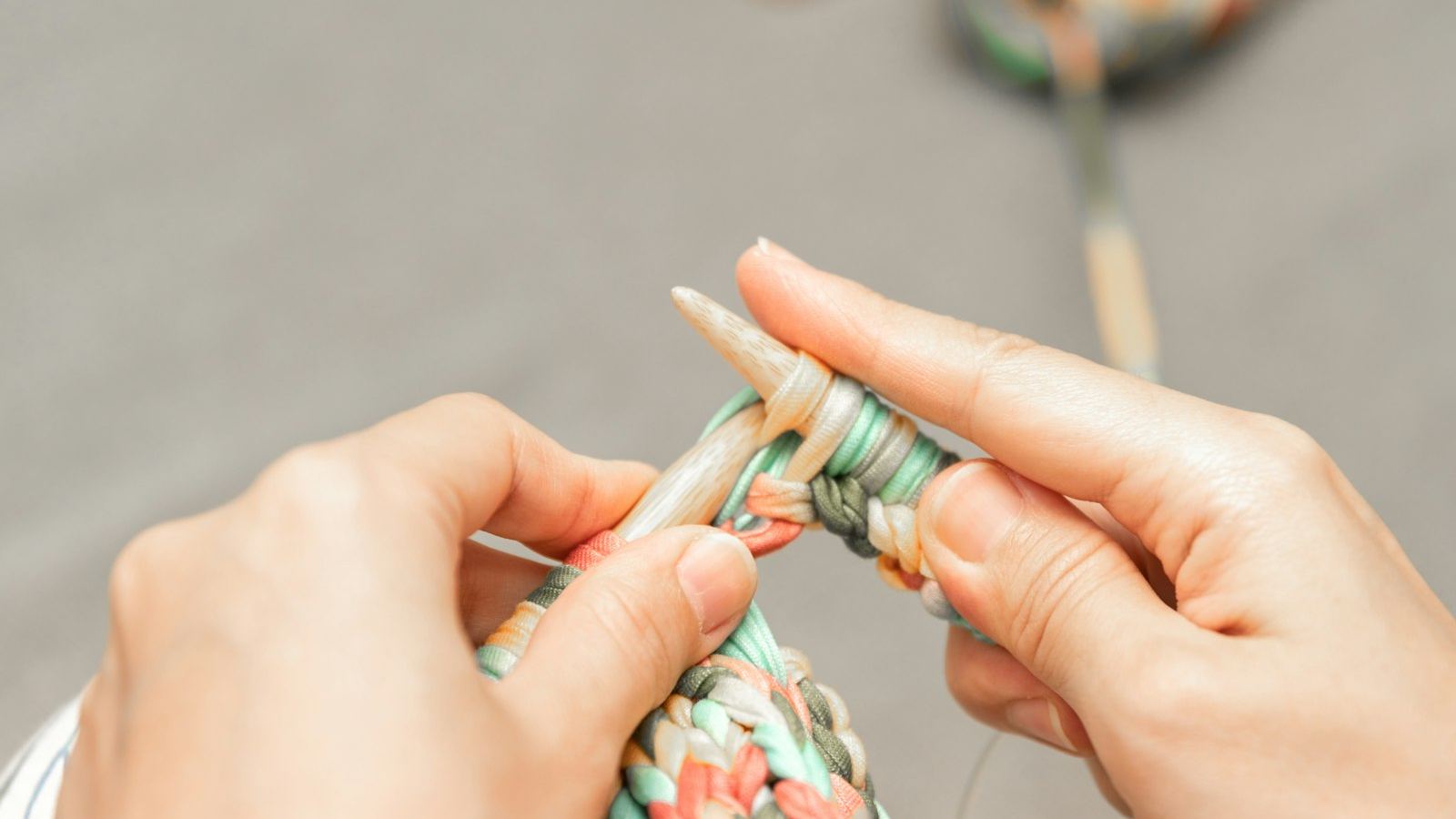
Short answer: On knitwear, trims fail more often than fabric. An open loop structure grips a button shank and lets it pull through, plated metal sits against skin that sweats, and a 3 mm eyelet in 180 GSM jersey tears out at the first tug. Test five things — nickel release, attachment pull strength, azo dyes on coloured trims, phthalates on prints and patches, and corrosion after three washes — before the trims ship, not after the first return.
Fabric gets tested because someone asks for a test report. Trims get tested when a retailer's compliance team asks, which is usually after the first production run.
Why Knits Punish Trims
The property that makes a knit comfortable makes it hostile to hardware.
The Five Tests Worth Paying For
The Test That Gets Skipped Most
Attachment strength is skipped because it needs the finished fabric, and the trim supplier only has trims. That is exactly why the garment maker should own it.
What a Trim Package Costs
When a Trim Fails
Do not start by changing the design. Start with the cheapest variable.
Conclusion
Trims are where a well-specified knitwear programme quietly loses money: not in the FOB, but in returns, chargebacks and the week spent proving a snap was compliant. Write the five tests into the trim purchase order, require reports against the finished garment, and test attachment after washes rather than before. A few hundred dollars and ten working days against a risk that lands on your brand name, not your supplier's.
Key Takeaways for Buyers
Test the trim on the garment, not on the card
We run trims through the same lab submission as the fabric, on the finished placket, and report pull strength after three washes because that is when failures appear. Send us the trim you intend to use and the fabric it will sit on, and we will tell you whether it survives the garment before you place the order.
Related Products


Related Articles
- Pilling: Spec It Before It Becomes a Return Problempilling · quality

- How to Run a Knitwear Wear Test Before Bulkquality · testing

- Seam Strength Testing for Knits: Numbers That Mattersewing · testing

- Needle and Stitch Specs That Cause Knit Rejectionssewing · quality

- Knitwear QC: The Four Checks That Catch Real Defectsquality · manufacturing

- How to Choose Ribbed Collar & Flat-Knit Trims for Appareltrims · collar
Comments (0)
Be the first to leave a comment!